Exploring the World of Exterior Siding Replacement
Diving into the realm of exterior siding replacement, this introduction sets the stage for a comprehensive exploration of the topic. From the importance of maintaining a home's integrity to the various types of siding materials available, readers are in for an informative journey that delves into both practical and aesthetic aspects of this crucial home improvement process.
As we navigate through the intricacies of exterior siding replacement, we will uncover key insights and considerations that can guide homeowners towards making informed decisions for their property.
Importance of Exterior Siding Replacement
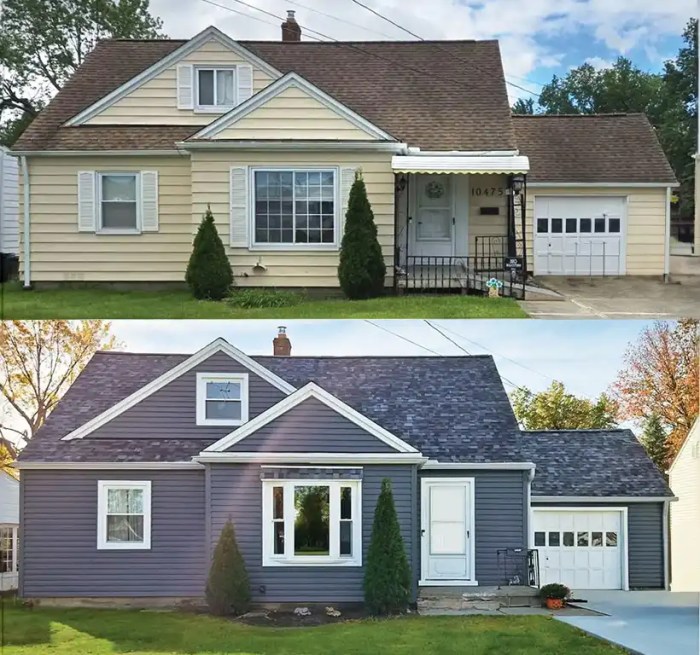
Regular siding replacement is crucial for maintaining a home's integrity as it protects the structure from weather elements, prevents water damage, and enhances energy efficiency. Outdated or damaged siding can lead to costly repairs and decrease the overall value of the property.
Signs Indicating the Need for Exterior Siding Replacement
- Cracks or warping: Visible cracks or warping on the siding can indicate water infiltration and potential damage to the underlying structure.
- Fading or discoloration: Faded or discolored siding can diminish the curb appeal of a home and make it look outdated.
- Mold or mildew growth: Excessive mold or mildew growth on the siding can be a sign of moisture retention, which can lead to rot and decay.
- Increased energy bills: Damaged or outdated siding can compromise the insulation of a home, resulting in higher energy bills due to heat loss or gain.
Impact of Outdated or Damaged Siding on Curb Appeal
Outdated or damaged siding can significantly impact a property's curb appeal by making it look neglected, unattractive, and outdated. Potential buyers may be deterred by the exterior appearance of a home with worn-out siding, affecting the resale value and marketability of the property.
It is essential to maintain the exterior of a home by replacing siding when necessary to enhance its overall aesthetic appeal and maintain a positive impression on visitors and potential buyers.
Types of Exterior Siding Materials

When it comes to replacing exterior siding, there are several materials to choose from, each with its own unique characteristics and benefits.
Vinyl Siding
- Durability:Vinyl siding is known for its durability and ability to withstand various weather conditions without fading or rotting.
- Cost:Vinyl siding is one of the most affordable options for exterior siding replacement, making it a popular choice for many homeowners.
- Maintenance:Vinyl siding is low maintenance, requiring only occasional washing to keep it looking fresh.
- Aesthetic Appeal:Vinyl siding comes in a wide range of colors and styles, allowing homeowners to customize the look of their home.
Wood Siding
- Durability:Wood siding is known for its natural beauty and timeless appeal, but it requires more maintenance to prevent rot and insect damage.
- Cost:Wood siding can be more expensive than vinyl or fiber cement siding, making it a higher upfront investment.
- Maintenance:Wood siding needs regular painting or staining to protect it from the elements and maintain its appearance.
- Aesthetic Appeal:Wood siding offers a classic, traditional look that can enhance the curb appeal of a home.
Fiber Cement Siding
- Durability:Fiber cement siding is highly durable and resistant to rot, fire, and pests, making it a long-lasting option for exterior siding.
- Cost:Fiber cement siding falls in the mid-range in terms of cost, offering a balance between affordability and durability.
- Maintenance:Fiber cement siding requires minimal maintenance, with occasional repainting to keep it looking new.
- Aesthetic Appeal:Fiber cement siding can mimic the look of wood or stucco, providing a versatile option for various architectural styles.
Process of Exterior Siding Replacement

When it comes to replacing exterior siding, there are several important steps to follow to ensure a successful project. Proper preparation is key to achieving the desired results, and having the right tools and equipment is essential for a smooth installation process.
Inspection and Assessment
Before starting the siding replacement, it is crucial to inspect the existing siding to identify any damage or issues that need to be addressed. This assessment will help determine the extent of the replacement needed and the materials required for the project.
Removal of Existing Siding
Once the inspection is complete, the next step involves removing the old siding carefully. This process requires the use of tools such as a pry bar, hammer, and utility knife to detach the siding panels without causing damage to the underlying structure.
Preparation of the Surface
After removing the old siding, the surface underneath must be prepared for the new installation. This may involve repairing any damaged areas, applying a moisture barrier, and ensuring the surface is clean and smooth to promote proper adhesion of the new siding.
Installation of New Siding
With the surface prepared, the new siding can be installed according to the manufacturer's guidelines. Depending on the type of siding material chosen, specialized tools such as a nail gun, saw, and level may be required to ensure a precise and secure installation.
Finishing Touches
Once the new siding is in place, the final step involves adding finishing touches such as trim, caulking, and paint to enhance the appearance and seal any gaps. Properly finishing the project will not only improve the curb appeal of your home but also protect it from the elements.
Benefits of Professional Installation

When it comes to exterior siding replacement, hiring professionals can offer numerous advantages over attempting a DIY project. Not only can professional installation ensure quality workmanship, but it can also lead to long-lasting results that can benefit your home in the long run.
Expertise and Experience
Professional installers have the expertise and experience needed to handle exterior siding replacement efficiently and effectively. They are familiar with the best practices, techniques, and materials to use, ensuring a high-quality finish that can enhance the curb appeal and value of your home.
Time and Cost Savings
While DIY projects may seem cost-effective at first, they can actually end up costing more in the long run due to potential mistakes or rework needed. By hiring professionals, you can save time and money by avoiding costly errors and ensuring the project is completed in a timely manner.
Warranty and Guarantee
Professional installers often provide warranties or guarantees on their work, giving you peace of mind knowing that your exterior siding replacement is protected. This added assurance can be valuable in case any issues arise after the installation, ensuring that you are covered for any necessary repairs or adjustments.
Potential Risks of DIY
DIY siding replacement may pose various risks or complications if not done correctly. Improper installation can lead to water damage, mold growth, or structural issues, which can be costly and time-consuming to address. Additionally, working with power tools and climbing ladders can be hazardous without proper training or equipment, increasing the risk of accidents or injuries.
Conclusive Thoughts

In conclusion, the discussion on exterior siding replacement highlights the significance of this maintenance task in preserving a home's structural integrity and enhancing its visual appeal. By understanding the process, materials, and benefits associated with professional installation, homeowners can embark on this renovation journey with confidence and clarity.
User Queries
What are the signs that indicate the need for exterior siding replacement?
Signs such as warping, cracking, fading, or mold growth can indicate the need for exterior siding replacement. It's essential to address these issues promptly to prevent further damage to the property.
What are the benefits of hiring professionals for exterior siding replacement?
Professional installation ensures quality workmanship, long-lasting results, and adherence to industry standards. It can also save time and reduce the risk of potential complications that DIY projects may pose.
What are the common materials used for exterior siding replacement?
Common materials include vinyl, wood, and fiber cement siding. Each material has its own durability, cost, and maintenance requirements, allowing homeowners to choose based on their preferences and budget.